

7 Common Interior Design Mistakes Homeowners Make
Even the most stunning Connecticut or Westchester County property can feel off-balance if key details are missed. Here, you will explore seven of the most common interior design errors, why they matter, and how our construction-informed team transforms these pitfalls into polished, livable spaces.
Unraveling the Tangle of Space Planning Errors
Space planning errors such as overcrowded rooms, awkward furniture flow, and unused corners can diminish both the beauty and function of a home. In Fairfield’s classic Colonials, for example, an oversized sectional may block the view of a stone fireplace, while in a modern Scarsdale home, neglected window bays waste precious natural light.
Functional design tips to fix interior design mistakes include mapping circulation paths at least 36 inches wide for comfortable movement, balancing scale by pairing a nine-foot sofa with a 60-inch coffee table, and zoning open layouts with area rugs or double-sided bookcases instead of building solid walls.
With high-value square footage, professional design consultation is invaluable. Expert combine creative vision with decades of construction expertise to anticipate structural needs, advise on load-bearing partitions, and craft custom millwork that transforms forgotten nooks into inviting spaces like reading lounges or wine displays. This delivers seamless transitions and logical organization that elevate daily living.
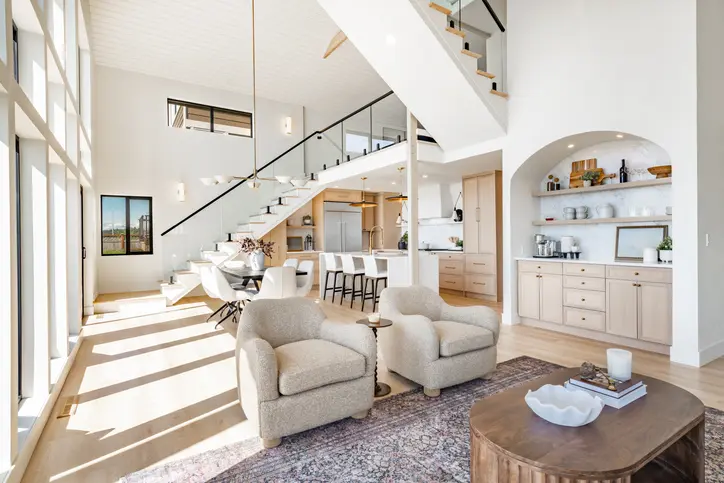
The Art and Science of Lighting Design
Lighting design issues—such as insufficient brightness, mismatched metal finishes, or relying solely on one ceiling fixture—can flatten the feel of an otherwise luxurious interior. Mood, task performance, and spatial perception all depend on layered illumination.
Expert interior design advice for a well-lit sanctuary involves layering three types of lighting: ambient (recessed cans on dimmers for an even glow), task (pendants over kitchen islands or swing-arm sconces for reading), and accent lights (picture lights and toe-kick LEDs to highlight art and millwork).
Aim for 20 lumens per square foot in kitchens and 10-15 lumens in living areas. Mix metal finishes intentionally—antique brass pendants can complement polished nickel faucets when repeated thoughtfully.
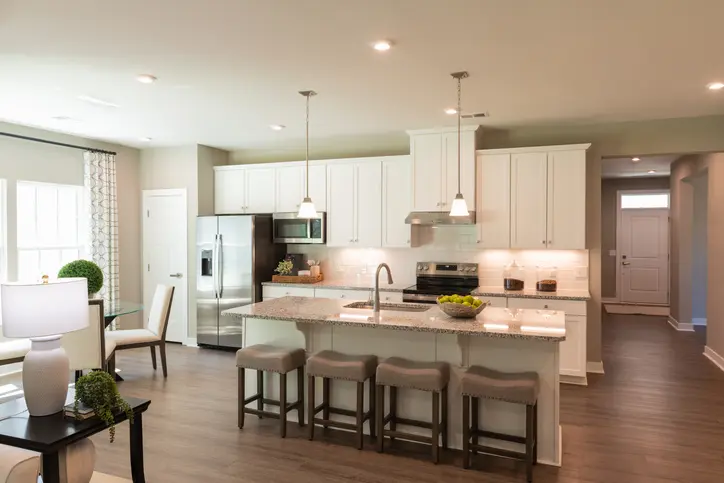
Color Palettes and the Perils of Paint Choices
Paint selection may seem simple until a trending greige shifts green in afternoon light. Overusing fads, neglecting undertones, or ignoring natural light are common color palette mistakes that can disrupt the entire design narrative.
Test paint swatches on multiple walls and observe for 48 hours. Reference permanent finishes like stone countertops or heirloom rugs before finalizing hues. Consider Connecticut’s cool northern light—richer pigments such as muted moss or oxblood often appear more balanced than stark whites.
Current trends favor warm, earthy tones and immersive “color drenching,” where entire rooms, including ceilings and trim, are painted a single hue for a cohesive, intimate effect.
Furniture Placement and the Dance of Proportion
Pushing furniture against the walls might make a playroom seem larger, but in a formal living room, it reduces intimacy and highlights furniture placement mistakes. Scale is essential: a delicate Louis XVI chair can vanish beside a hefty sectional.
Float seating around a focal point such as a fireplace, window, or statement artwork. Apply the 2:3 rule: a coffee table should be two-thirds the length of the sofa. Follow the rug size guide: in compact rooms, front legs on the rug; in larger rooms, all legs on. A 9’×12′ rug suits a 12’×18′ living space. For curtain hanging, mount rods 4-6 inches above the window trim and extend them 8-12 inches beyond the window to create the illusion of height and width.
Our construction-informed process ensures that electrical outlets, HVAC vents, and millwork depths are considered during furniture layout planning, preventing costly revisions and enhancing the quality home design experience for Westchester County clients.
Clutter, Collectibles, and the Pursuit of Calm
Even luxury homes can fall victim to design blunders when sentimental items accumulate unchecked. Without thoughtful storage, curated collections become visual clutter that disrupts serenity—a frequent interior design error for busy professionals and families.
Edit collections by displaying only the top third at any time and rotating seasonally. Commission custom built-ins such as walnut mudroom lockers, window seats with lift-top storage, or fluted oak media consoles that hide wires. Integrate concealed charging drawers in kitchens and nightstands to keep surfaces clear.
Transforming Mistakes into Masterpieces
Misplaced sofas, harsh lighting, or trend-driven paint choices need not haunt your dream home. By addressing space planning errors, lighting design issues, color palette mistakes, furniture placement mistakes, and clutter challenges, experts help Connecticut and Westchester families fix interior design mistakes before they escalate into costly renovation problems.
Elevate Your Home With Confidence
Every detail matters when creating a luxurious, livable home. Greenfield Hill Interiors transforms common interior design mistakes into inspired moments of comfort and elegance. Ready to reimagine your space? Get in touch.
References
Warm, earthy color trend
Lighting and sustainability insights
Tariff impact on sourcing
Tags: